Doylestown Airport · Bucks County, Pennsylvania

The last flight you took was years ago. The next one is five minutes long.

Face Your Fears is a one-day program that ends with you in the right seat of a two-seat Cessna, headset on, watching a pilot do every single thing he does, five minutes in the air over Bucks County. It's the smallest and most understandable airplane you'll ever sit in, and that's exactly the point.

Pre-Register Free See the whole day
$550 the first time, all in
then $150 a flight, for life

Pre-registration is free and commits you to nothing. There's no payment on this site and no card field anywhere on it. We're counting how many people in Bucks County actually want this, and if enough of you do, your spot is saved and we email you the dates, the details and how to pay. That's the whole thing.

The program at a glance

What Face Your Fears actually is

Face Your Fears is a one-day course for adults who are afraid of flying, run at Doylestown Airport in Bucks County. You spend the morning in a classroom learning what an airplane is actually doing and what every sound and sensation means. You spend forty five minutes asking a real pilot anything you want, including the questions you've been too embarrassed to ask. Then you walk out to the ramp, get into a two-seat Cessna, and fly for five minutes over Bucks County with the pilot narrating every single thing he does before he does it. You land, you talk about what just happened, and you go home with a written plan for the next ninety days.

What it is
A one-day, in-person course. Classroom, a pilot question and answer session, then a real flight in a small aircraft, in that order.
Who it's for
Adults who avoid flying altogether, and adults who do fly but spend the entire trip white knuckled.
How long it takes
One day, roughly nine in the morning until three in the afternoon, plus a fifteen minute phone call with us beforehand.
Where it happens
Doylestown Airport in Bucks County, Pennsylvania. Under an hour from most of Bucks, Montgomery and Philadelphia.
How many people
Eight maximum. Small enough that every question gets answered and nobody hides in the back of the room.
What it costs
$550 the first time, with everything included. After that, any flight you come back for is $150.
Time in the air
About five minutes on your first flight. One circuit over the airport, and the airport stays in sight the entire time.
What you leave with
Your filled-in workbook, a written ninety day plan that ends in a real airline ticket, and five minutes of flight time you didn't have that morning.
What it's not
This isn't therapy, counseling or medical care, and it's not a substitute for any of them. Nobody involved is a licensed psychologist, counselor or physician, and nobody here diagnoses or treats anything. It's education and experience, run by people who fly airplanes and people who have carried this fear themselves. If what you need is clinical care, we'll say so plainly and help you find it.
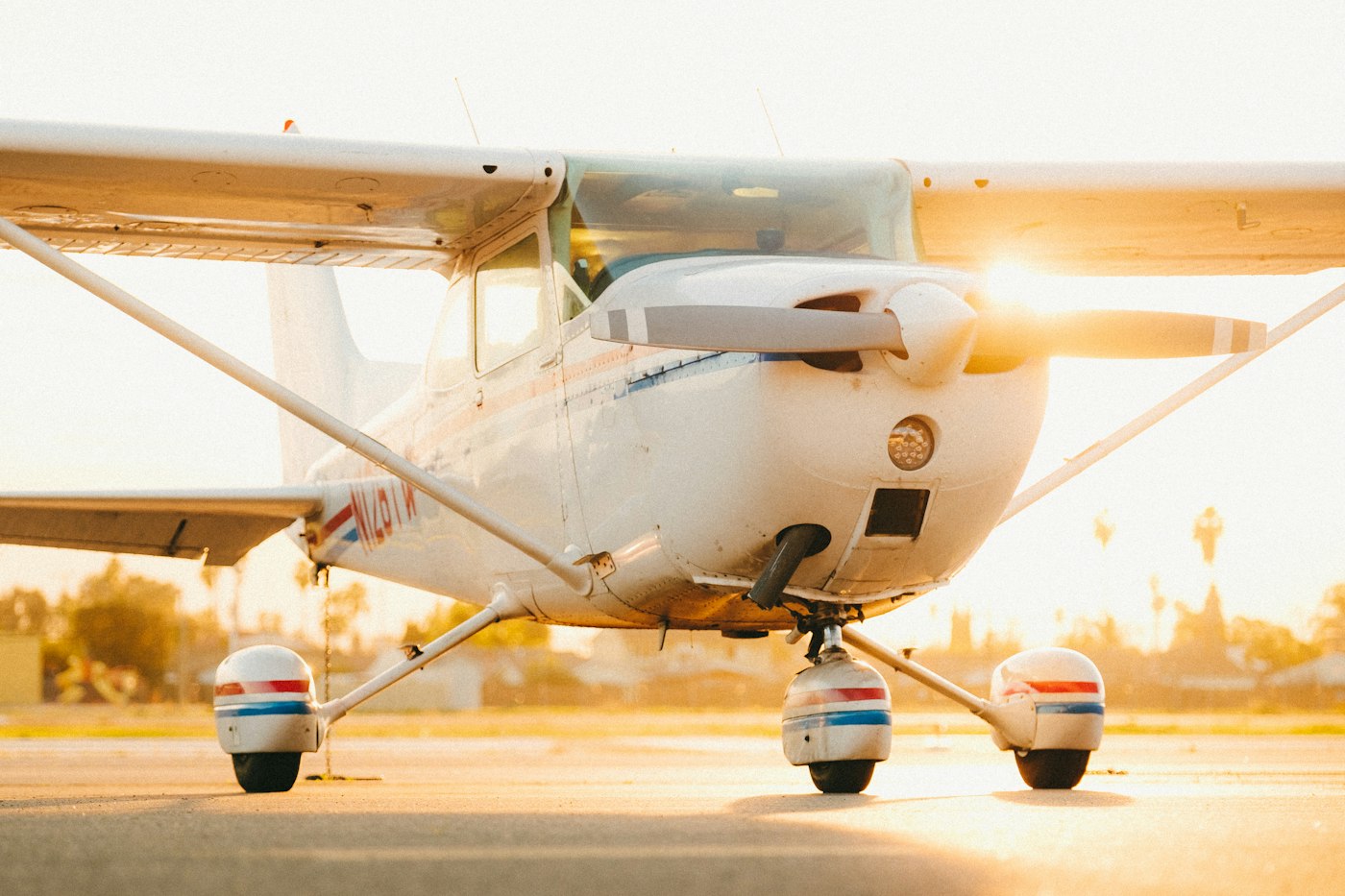
A small white single-engine Cessna parked on the ramp at a general aviation airport

Photo by Chris Leipelt on Unsplash

Why this exists

Sean was the person this is for

Everything below is Sean's own story, in his words. It's the entire reason there's a program at all.

I was terrified of flying. Not mildly. Terrified enough that I kept missing out on traveling and seeing the world, and eventually I got fed up with myself about it.

Everyone says the same thing: the more you fly, the more you get used to it. Fine. So I went looking for short practice flights. And I found out fast that finding a flight short enough not to terrify me was both hard and expensive. I didn't want to be strapped into a two hour flight, spending real money to sit there scared, and come off the other end with the fear worse than when I got on.

So I sat with it for a while. And then two things occurred to me at once.

There's an airport right down the street from me. Doylestown Airport.

And my good friend Harry is an Air Force pilot.

So I asked Harry if we could go up for five minutes. Just five. He said yes. There was only one catch: it wouldn't be in a normal airplane. It would be a tiny two-seat Cessna.

Which, I'll be honest, sounded like a terrible idea. If I'm afraid of big commercial jets, how is climbing into a tiny plane supposed to help? Wouldn't it make everything worse?

Maybe. Maybe not. But I had no other options and I refused to spend the rest of my life afraid of flying. And then I had the thought I couldn't shake:

What if facing my fear in a tiny plane made me feel twice as comfortable in a big one?

Here's the part that made it possible. The small plane was scary, but only for five minutes. That was the key. I knew I'd be back on the ground in five minutes.

And in those five minutes, I was in the cockpit. I was sitting next to the pilot, talking to him. I could see and feel exactly how the airplane worked, and every bit of it was explained to me as it happened. I felt like a copilot, because technically I was one. It was like riding in the passenger seat of a car, except in the air.

It was a little bumpy at first. But the turbulence honestly felt no different from a big plane. The flight was smooth, it was fun, and it was over in exactly five minutes.

Three months later I had a four hour flight to a wedding in the middle of the country. I was so comfortable at the airport and on the plane that I actually enjoyed the time traveling. Imagine that. Enjoying flying.

This may not be for everyone. Maybe you're reading this thinking "that's nice, but I'm good," and that's completely fine. But ask yourself one question honestly: has anything else worked, and do you have any real plan to deal with this in the future?

If the answer is no, then this takes five minutes of bravery.

You might come out the other side exactly the same person. Or you might come out ready to travel the world. I think it's worth five minutes to find out which one you are.

Sean Ahern, founder of Face Your Fears
Sean Ahern Founder, Face Your Fears · Doylestown, Pennsylvania
Credit where it's due

Ninety eight years at the end of Old Easton Road

We didn't invent any of this. Doylestown Airport has been sitting at the end of Old Easton Road since 1928, and the only reason a five minute flight was even possible for Sean is that they were already doing it, and doing it well, long before we turned up with an idea.

The sign at the entrance to Doylestown Airport, reading Est. 1928, The Community Gateway To The Nation's Airspace, Open To The Public
A Cessna parked on the grass at Doylestown Airport

Photographs courtesy of Doylestown Airport. Entrance sign by Famartin via Wikimedia Commons, CC BY-SA 4.0.

It started in 1928 under Bill Webb, became a serious operation in 1942 under John Van Sant, and is owned today by the Bucks County Airport Authority. The flight school on the field is Leading Edge Aviation, run by Marcel Bisschops, and between them they keep thirty three people employed doing the unglamorous work that keeps an airfield open twenty four hours a day.

1928The year it opened, which makes it older than most of the airlines you're afraid of
3,000 ftOf runway, ninety two hangars and around a hundred and fifty aircraft based on the field
~100,000Operations a year, every one of them ending with an airplane back on the ground
12Aircraft in the training fleet, plus helicopters and turboprops

"Airplanes are time machines."

Joe Perry, owner and pilot, quoted in Bucks County Magazine
The part nobody explains

Your fear may be easier to conquer than you think.

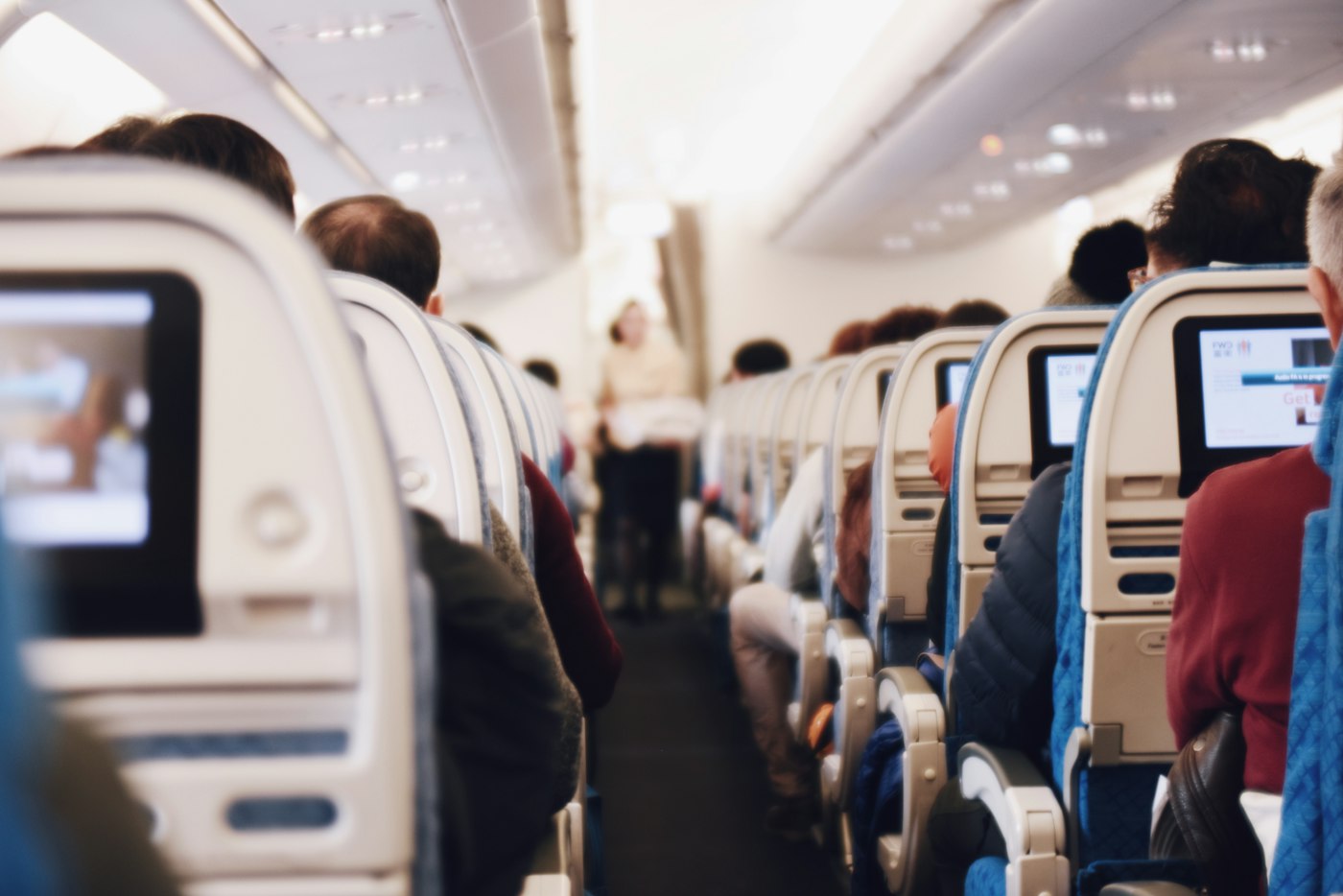
Ask most people who are afraid of flying what scares them and they'll name the obvious thing first. Push a little further and something else comes out. It's the sealed door. It's not being able to see out the front. It's a noise at eleven thousand feet that nobody explains, and the floor dropping half an inch under you, and having no idea whether that was normal.

You're strapped into a windowless middle seat in a machine you can't see, can't hear properly, can't ask about, and can't leave, while a person you've never met makes every decision behind a locked door. A commercial airliner is engineered to keep you comfortable by keeping you uninformed. For a nervous flyer, that's precisely the wrong medicine.

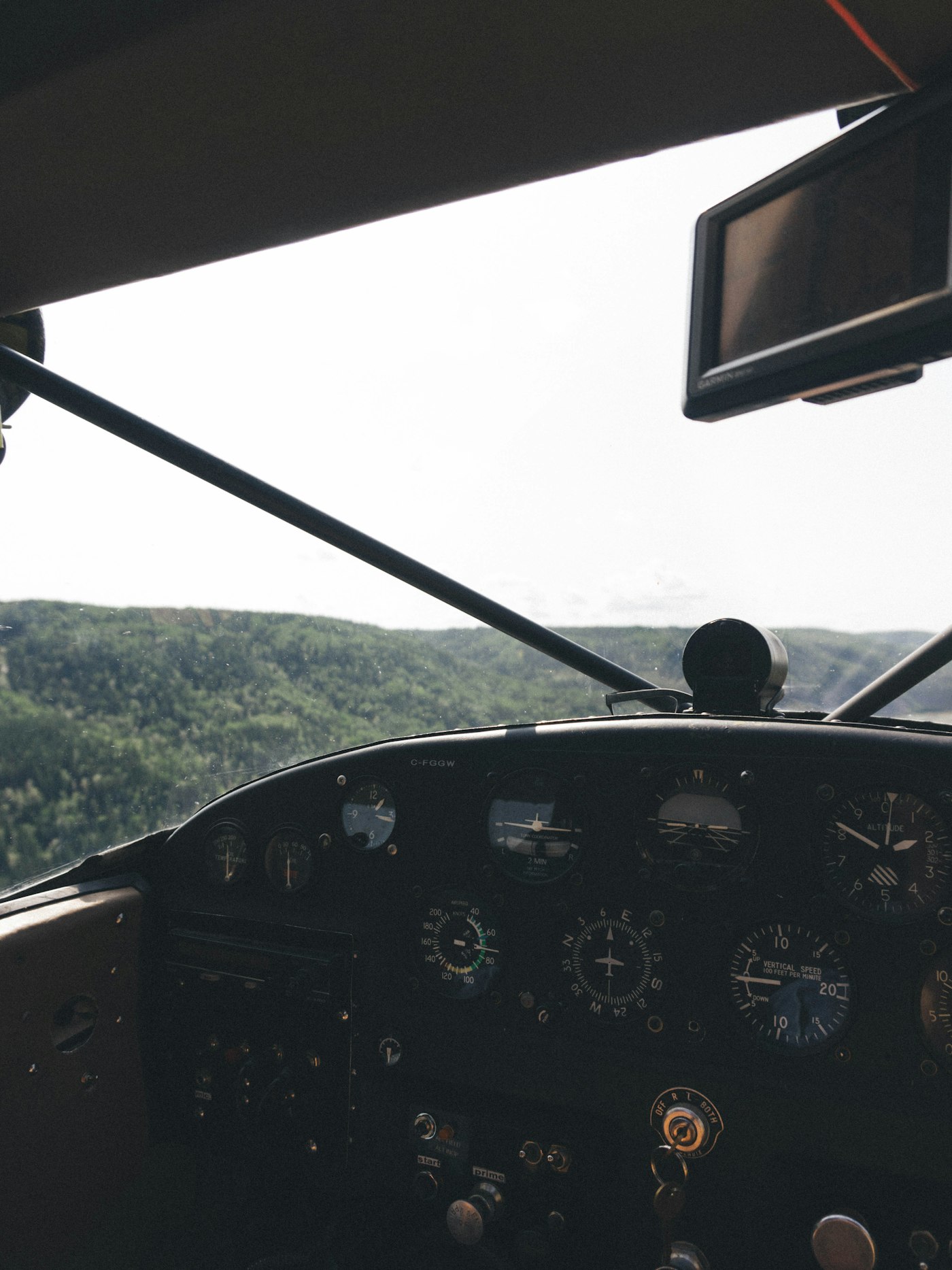
A two-seat Cessna is the opposite of that airplane in every way that matters.

The cabin of a commercial airliner seen from a passenger seat
What you know: sealed in, nothing to see
The instrument panel of a small aircraft in flight, green countryside through the windscreen
What this is: the whole machine, in front of you

Photos by Suhyeon Choi and Beer Drinker on Unsplash

A 737 at 35,000 feet

  • You sit behind a locked door
  • You can't see where you're going
  • Nobody explains a single sound
  • You can't ask the pilot anything
  • You're up there for five hours
  • The ground is seven miles away
  • You have no idea what's happening

A Cessna over Bucks County

  • You sit up front in the right seat
  • You watch the runway the entire time
  • Every sound gets named before it happens
  • The pilot is eighteen inches away
  • You're up there for five minutes
  • You can see the airport the whole flight
  • You can put your hands on the controls

Nobody does this. People spend years reading articles, watching turbulence videos and rehearsing breathing exercises for a plane they never board. Almost none of them have ever been near an aircraft small enough to actually understand. That's the gap this program was built to close.

One day, start to finish

What the day actually looks like

Eight people maximum. One room, one whiteboard, one pilot who'll answer anything, and one airplane sitting on the ramp outside the window the whole time. Here's the order of operations.

Before
Included

A fifteen minute phone call

Before the day, we talk. What your fear does, when it started, what you've already tried, and the trip you're actually trying to take. If anything in your history means you should be working with a licensed professional first, this is where we say so honestly and help you find one. Nobody walks into the room cold.

9:00 AM
Two hours

Ground school

The classroom session. We build the Noise Map, which is a minute by minute account of every sound and sensation a flight produces and what causes each one, from the engine spooling at the gate to the flap retraction that feels like sinking to the power reduction after takeoff that convinces half of all nervous flyers the engines just quit. We cover what turbulence physically is and why an airframe treats it the way a boat treats a wave. We cover the numbers honestly, including the ones people don't like. And we cover the Body Curve, which is what your own nervous system does over ninety seconds when you stop fighting it.

A small group of adults working through material together at a table
11:15 AM
Forty five minutes

Ask a pilot anything

Harry flies for the United States Air Force. He is also the friend Sean called when he wanted to try this, and the pilot who took him up for the five minutes that started the whole thing. He sits down in front of the room and takes every question, and there's no such thing as a stupid one. What happens if an engine quits. What happens if he passes out. Whether pilots are ever scared. What that noise was on your flight to Orlando in 2019. This is the part people tell us they think about for weeks afterward, because it's the first time a person who actually flies has answered them straight.

12:00 PM

Break

Food, air, and a chance to talk to the other seven people in the room, who are all carrying the same thing you are. This part isn't filler. Most people who come have never met another person who's afraid of flying.

12:45 PM
At your pace

The walkaround

Out to the ramp. You put your hands on the airplane. You look at the wing that holds it up and the bolts that hold the wing on. You sit in the seat with the door open and both feet on the ground. You hear the engine start from inside with the door closed. You taxi. Every one of those is a real step, and any one of them is a legitimate place to stop for the day.

1:30 PM
Five minutes in the air

The flight

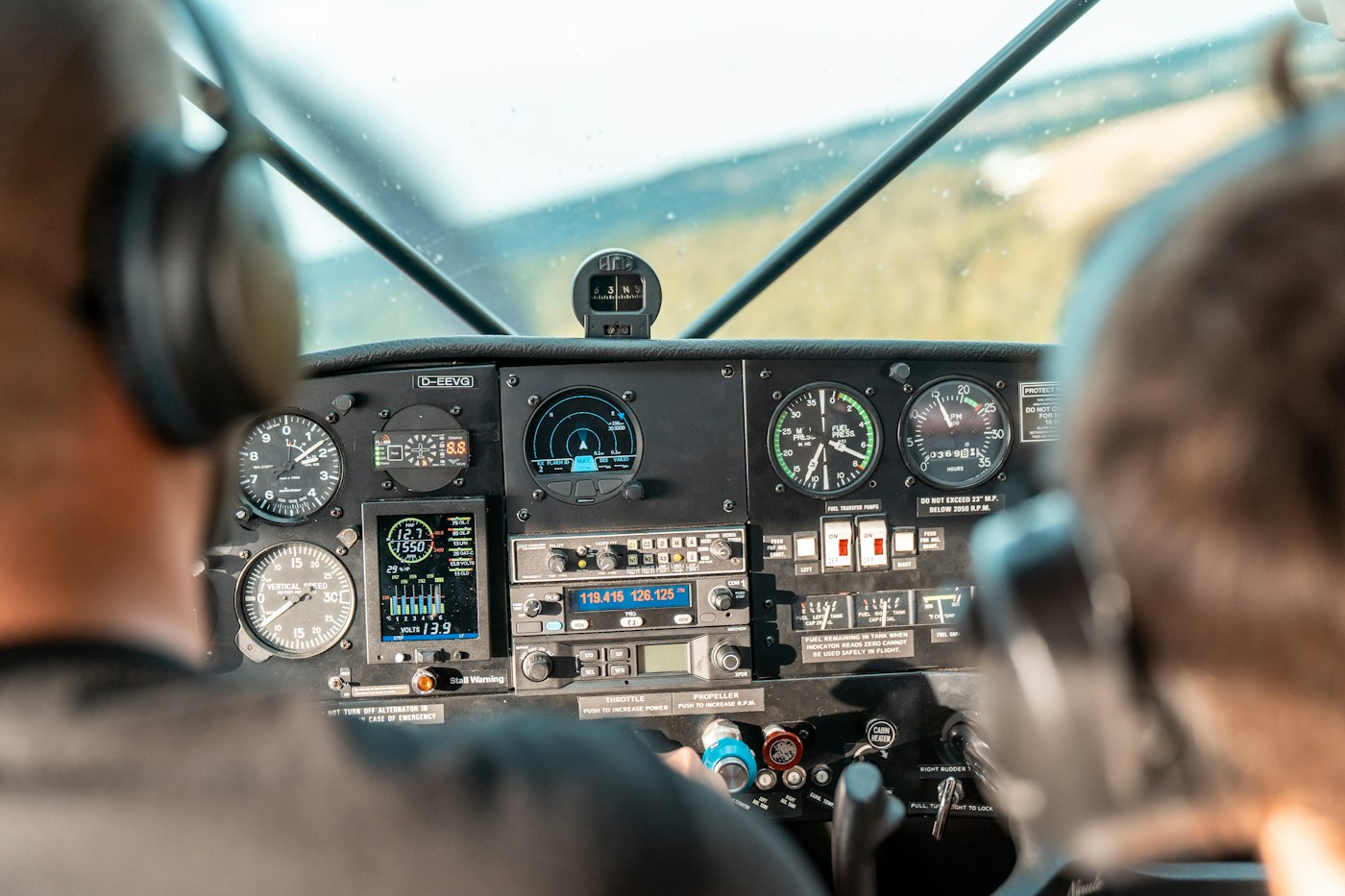
Right seat, headset on, one circuit over Bucks County and back. You can see the airport for the entire flight. Harry narrates every input before he makes it, so nothing happens to you without warning. If you want to put your hands on the controls for thirty seconds, you can. If you want to say the word and go straight back to the runway, you can do that too, at any point, and it'll be honored immediately and without discussion. You hold that authority the whole time.

A pilot and a passenger in headsets at the instrument panel of a small aircraft in flight
2:00 PM
The point of all of it

The debrief and your ninety day plan

Back in the room. We talk about what your body actually did versus what you expected it to do, because the gap between those two is the whole thing. And you leave with a written ninety day plan that ends in a real flight on a real airline with a real date on it, because a day like this is only worth what you do in the three months after it. That plan is built around coming back, which from this point on costs you $150 a flight.

Five hundred and fifty dollars the first time

Everything that's included

There's no second tier, no membership and no equipment to buy. One price covers the entire day and everything around it. After that day, flying again costs $150 and nothing else ever does.

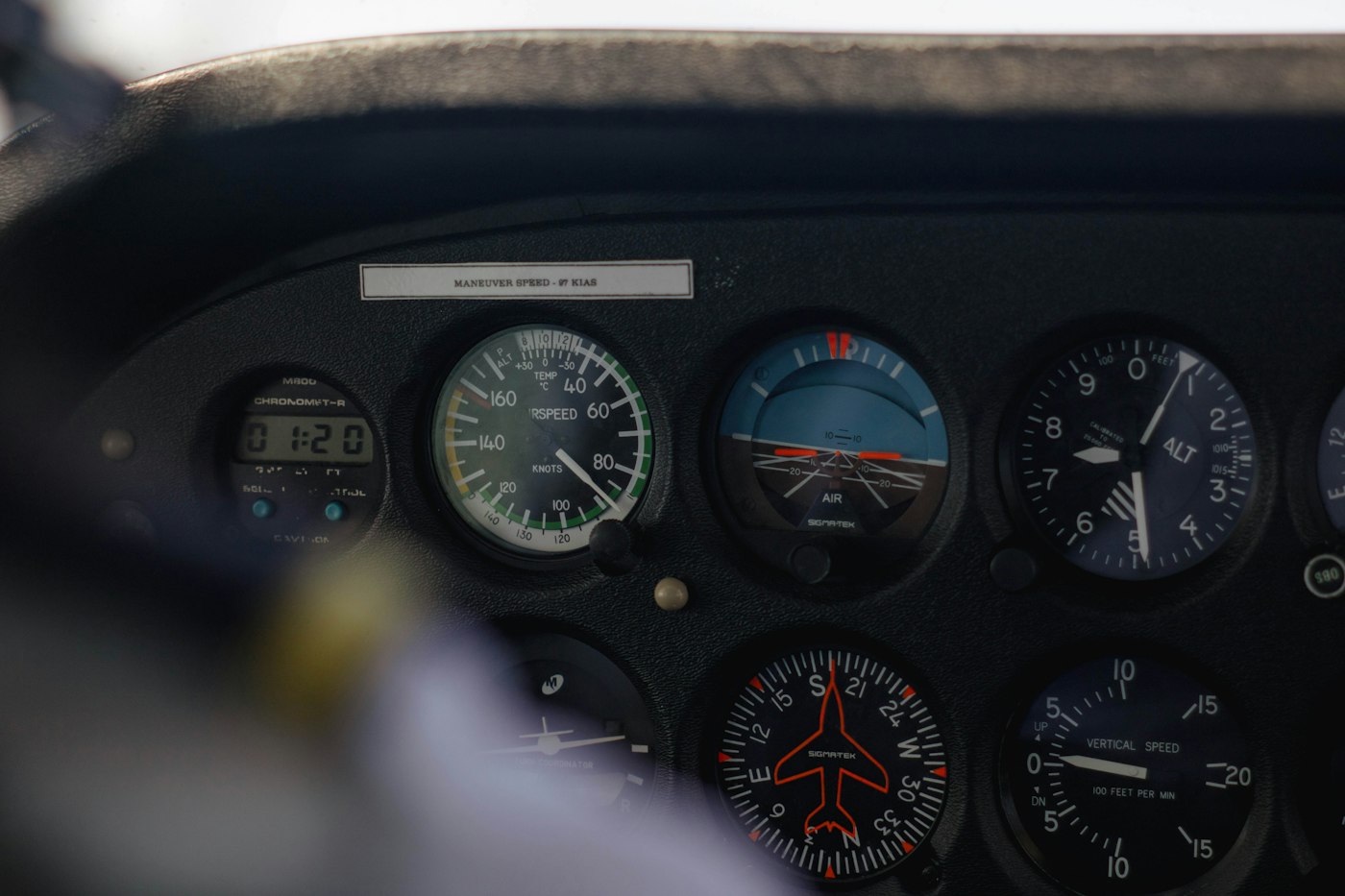
Close-up of the analog instrument panel of a small Cessna
01

Your intake call

Fifteen minutes on the phone with Sean before the day. What your fear actually does, when it started, what you've already tried, and the trip you're not taking. This is also where we screen honestly, and where we tell you if we think you should see a clinician first.

02

Ground school

Two hours in the classroom at the airport. The Noise Map, which names every sound and sensation a flight makes before you ever feel it. What turbulence physically is. The safety numbers, given straight. And the Body Curve, which is what your own nervous system does over ninety seconds when you stop fighting it.

03

Your flight plan workbook

A printed workbook you fill in during the day and keep. Your own Noise Map, your fear ladder written in your words, the two breathing and grounding skills we teach, and your ninety day plan.

04

Ask a pilot

Forty five unfiltered minutes with Harry, our pilot, who flies for the United States Air Force. What happens if an engine quits. What happens if he passes out. Whether pilots get scared. What that noise was on your flight in 2019. No question is off limits and no answer gets softened.

05

Ramp access and the walkaround

Out to the aircraft. Hands on the wing, a real preflight narrated to you, sitting in the seat with the door open and both feet on the ground, then door closed, then engine start, then taxi. Every one of those is a real step and any one of them is a fine place to stop.

06

The flight

Five minutes in the right seat of a Cessna over Bucks County, with Harry beside you narrating every input before he makes it. Hands on the controls if you want them there. You can call an end to it at any moment and it'll be honored immediately.

07

The debrief

Back in the room afterward, where what actually happened gets separated from what you were braced for. That gap is the whole point of the day. Everyone speaks, including the people who stopped at taxi.

08

Your ninety day plan

Written by you, on the day, with us. A real flight on a real airline with a real date on it, and the practice flights that get you there. A day like this is only worth what you do in the three months after it, so nobody leaves without the next step written down.

09

And every flight after this one

Once you've done the day, you can book another flight any time for $150. No expiry, no package, no minimum. That rate is yours for good, and your ninety day plan is built around using it.

What's not included, so there are no surprises

  • Lunch. There's a break in the middle of the day and we'll point you at the good options nearby.
  • Travel to the airport, and parking, which is free at the field.
  • Any airline ticket. Your ninety day plan ends with you booking a real flight, and that one is on you.
  • Any medical or clinical care. If your intake call tells us you need that first, we'll say so and refer you out rather than take your money.
After your first flight

Then come back for two hundred and fifty dollars, as many times as you want.

$150per flight · graduates, for life

Every serious program in this field agrees on one thing. A single flight is a start, not a finish. What actually settles this for good is doing it again, and then again, until the day it stops being an event and becomes a Tuesday.

So once you've been through the program day, you can book another flight at Doylestown any time for $150. Same aircraft, same pilot, same right seat. No classroom, no group, no ceremony, no minimum and nothing to sign up for. You drive out, you fly, you go home.

Two weeks, not two years

Fly again while it's still fresh

The gap between a first flight and a second one is where almost everybody quietly loses the ground they gained. At $150 there's no reason to let that gap open up.

Bring somebody

The other seats are open

The partner who's been flying alone, the adult kid, the friend who's quietly worked around this with you for years. Same rate, and there's another seat in the airplane.

Go further each time

Build your own ladder

Your first flight is five minutes over the airport in calm air. Your fourth can be half an hour over the river on a day you'd once have called too windy to leave the house.

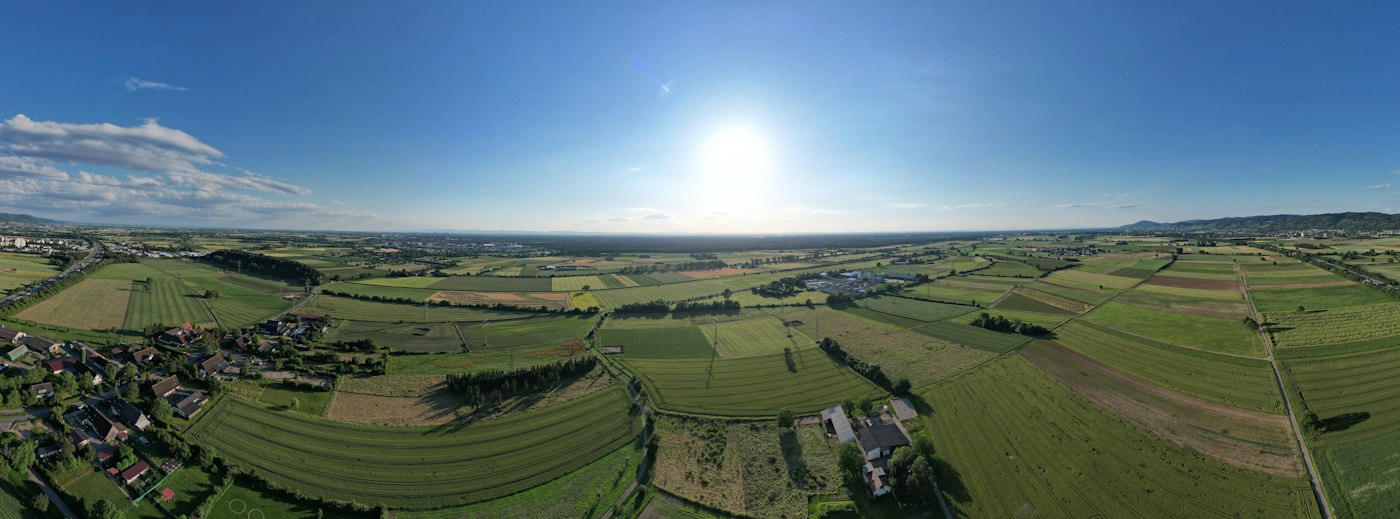
Aerial view of green patchwork farmland and treelines

The ninety day plan you write on your program day is built around this. It ends in a real seat on a real airline, and the $150 flights are the rungs you climb to get there.

Someone at an airport wearing the Face Your Fears shirt, which reads I conquered my fear of flying.

Oh, and there's a shirt.

It says "I conquered my fear of flying." You get it on the ground afterward, not at check in, which is the only part of it we're particular about.

It's not the reason to do this and we're not going to pretend it is. But people do seem to like wearing it to the airport.

Straight comparison

What else is out there

We looked at every serious option in the country before setting a price. There's nothing like this anywhere in Pennsylvania, New Jersey or New York.

ProgramWhereFormatPriceReal flight
Face Your FearsDoylestown, PAOne day, in person, eight people$550, then $150 a flightYes, included
Fear of Flying ClinicSeattle, WAFour days over two weekends$745 plus your airfareYes, you buy the ticket
Simulator sessionsManhattan, NYOne on one, ground simulator$430 to $990No, simulator only
SOAROnlineVideo course, some phone time$200 to $595No
Airline run coursesUnited KingdomGround day plus a short flightRoughly $280 to $500Yes, and it's a five hour trip away
Doing nothingHomeReading, videos, waitingFreeThe trip you keep not taking

Competitor pricing above was checked in September 2026 and is what those organizations publish themselves. No US airline currently runs a fear of flying course.

Read this part carefully

Who this program isn't for

We'd rather turn you away than take five hundred and fifty dollars for a day that's wrong for you. Please talk to a licensed professional before you talk to us if any of the following is true.

  • You have been diagnosed with panic disorder or agoraphobia and haven't worked on it with a clinician. Flying tends to be the last rung on that ladder, not the first.
  • You have a heart condition, a lung condition, uncontrolled blood pressure, a seizure disorder or an inner ear condition. Get your doctor's written clearance first and we'll happily hold your seat.
  • You're pregnant. Ask your doctor, and bring us their answer.
  • You currently drink or take medication in order to get on an airplane. There's a specific kind of help for that and it comes first.
  • You're dealing with the aftermath of an aviation accident or a traumatic event connected to flying. That deserves a licensed professional, not a group classroom.
  • You get severe motion sickness. A small aircraft is bumpier than an airliner, not smoother, and we'd rather tell you that now.
  • You're under eighteen. This program is for adults.

If any of that's you, say so on the form. We'll not quietly take your money. We'll tell you honestly whether we think this is right for you and, if it's not, point you toward what is.

Questions

Everything people ask

Am I paying anything or committing to anything right now?

No to both. Pre-registering is free, there's no card field anywhere on this site, and it doesn't enroll you in anything. All you're doing is telling us you want a seat, so we can walk into the airport with real names and real numbers instead of a hopeful idea. If enough people pre-register, your spot is saved and we email you the dates, the full details and how to pay. You make the actual decision at that point, with everything in front of you, and you're free to say no.

What does the $150 flight actually include, and is there a catch?

It includes the aircraft, the instructor and your seat, and there's no catch. It's open to anyone who has completed a program day, there's no membership, no expiry and no minimum number of flights. The rate exists because the expensive part of this is the classroom day, the preparation and the people, and you only ever pay for that once. After that you're just buying flight time, so that's all we charge you for.

What happens if I get all the way to the airplane and can't get in?

Then you got all the way to the airplane, which is further than you have gotten in years, and that's a real result rather than a failure. Our policy is that if you complete the classroom day and decide not to board, $300 comes back to you, and your $150 flight rate still stands for whenever you're ready. Nobody is going to talk you into that seat, and nobody in that room is going to think less of you. Several people who stop at taxi come back and fly the next time.

Honestly, is a small plane more dangerous than an airliner?

Yes, statistically, general aviation has a higher accident rate than scheduled airline flying, and we're not going to pretend otherwise in a program built on telling you the truth. Two things matter here. Your flight is five minutes, in daylight, in good weather, in the traffic pattern of the airport you took off from, with an experienced pilot at the controls, which is the single lowest risk profile a small aircraft flight has. And the purpose of the flight isn't to prove that flying is safe. The classroom covers the safety of airline flying. The Cessna is there to give you back the thing an airliner takes away, which is seeing everything, understanding everything, and being able to ask.

Five minutes seems short. Why not longer?

Because five minutes is long enough to take off, be airborne, look at the ground, and land, and short enough that the answer to "can I do this" arrives before your nervous system has time to build a case against it. Anxiety climbs, peaks and comes down. A short first flight lets you meet the peak and be on the ground on the other side of it the same afternoon. Longer flights are what the second and third ones are for.

Who is actually flying the airplane?

Harry, who flies for the United States Air Force and who has been a friend of mine for years. He is the same pilot who took me up for the five minutes that started all of this. The aircraft is provided and maintained by the flight operator based at the field. You're in the right seat as a passenger. The controls in front of you're real, and you may choose to hold them for a moment or never touch them at all.

Can I bring my husband, wife or a friend?

For the classroom, yes, and we encourage it, because the people around you generally have no idea what this is like from the inside. Tell us on the form so we save the chair. The aircraft seats are limited so we'll sort that out on the call.

Is this therapy or counseling?

No, and we're careful about that line. Face Your Fears is an education and experience program run by people who fly airplanes and people who have been through this fear themselves. Nobody here's a psychologist, a counselor or a physician, nobody will diagnose you, and nothing in this program is a substitute for care from a licensed professional. What we offer is information you have never been given and an experience nobody has ever offered you. If what you need is clinical care, we'll say so plainly and help you find it.

What if it's bumpy?

It might be, and small aircraft feel bumps far more than airliners do, which is why we fly in the calm part of the day and why the classroom covers turbulence before you ever get near the ramp. If conditions are poor on your date, we don't fly. We reschedule your flight portion at no cost. The one thing we'll never do is put you in an airplane on a day that's going to hand you a bad memory.

I had a panic attack on a plane once. Should I do this?

Maybe, and the intake call exists exactly for this question. A single bad episode on a flight is very common among the people we're built for. An ongoing pattern of panic attacks in other parts of your life is a different situation and usually means working with a clinician first. Tell us the truth on the call and we'll give you a straight answer, including the answer where we tell you not to book.

What happens after the day is over?

You leave with a written ninety day plan that ends with an actual airline ticket on an actual date, and you leave able to book another Cessna flight any time for $150. We check in with you at thirty days and again after your first commercial flight. The Cessna isn't the finish line. It's the thing that makes the finish line reachable, and the reason to keep coming back to it's that the second flight is where the first one actually sticks.

When is the first class?

We're setting the date now, and the number of reservations on this page is what determines how quickly that happens. Reserve a seat and you'll be among the first people called.

Free pre-registration

You're not buying anything. You're telling us you want in.

This form takes about a minute. There's no payment, no card, no deposit and no obligation of any kind. We're gauging interest, and every name on this list is a real person we can point to when we sit down with the airport.

1You pre-register

Free, one minute, no card. Just enough about you that we can plan the class and call you in order.

2We count

If enough people in the area want this, we take the list to Doylestown Airport and lock in dates, the aircraft and the room.

3Your spot is saved

Pre-registrations are called in the order they came in. Being on this list is what holds your place.

4We email you

You get the dates, everything you need to know, and only then how to pay. You decide at that point, with all the facts, and you can still say no.

You're pre-registered.
#1

That's your spot held. Nothing has been charged, nothing is owed, and you haven't committed to anything. When we have enough people and the airport confirms dates, Sean emails you personally with everything you need to know and how to pay. You decide then.

One thing that genuinely helps: tell one other person who deals with this. The size of this list is exactly what convinces the airport to give us the aircraft and the room.

10 means you'll not board at all.

No card, no charge, no obligation, and nothing to cancel. Pre-registering doesn't enroll you and doesn't commit you to pay. We'll not add you to any other list and we'll never share your details with anyone outside this program.